
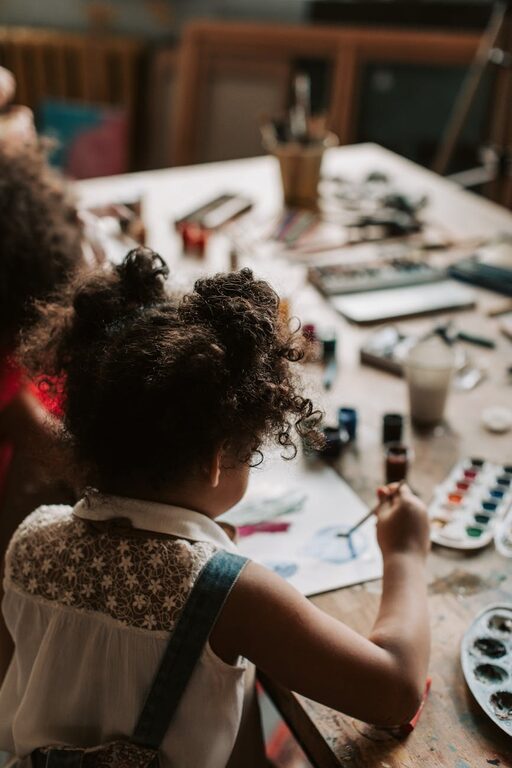
Every parent knows how quickly kids’ artwork can pile up—from colorful drawings and paintings to crafty creations. While these masterpieces are precious, the clutter they create can be overwhelming. Organizing your children’s art not only keeps your home tidy but also honors their creativity in a meaningful way. Here are some easy tips to help you keep your kids’ art organized, accessible, and beautifully displayed.
Why Organize Kids’ Art?
Before diving into tips, it’s important to understand why organizing kids’ art matters.
– Preserves memories: Art captures your child’s growth and imagination.
– Reduces clutter: Keeps your home tidy and prevents piles of paper everywhere.
– Boosts confidence: Displaying artwork encourages kids and shows you value their effort.
– Creates easy access: Quickly find pieces for special occasions or gifts.
Now, let’s explore ways to create a functional and enjoyable system for managing your child’s artistic treasures.
1. Set Up a Dedicated Art Station
Creating a space specifically for art projects helps keep materials and finished pieces in one place.
– Use a small desk or table with storage bins for supplies.
– Install shelves or cubbies nearby for drying artwork or holding portfolios.
– Make it fun and accessible for your child to use independently.
Having a defined area for creating and storing art starts the organization process right where the work happens.
2. Choose a Display Area for Current Favorites
Kids love showing off their latest creations, so designate a spot to showcase recent artwork.
– Bulletin boards or magnetic boards are versatile options.
– String and clips or wire displays let you hang art easily and swap pieces out.
– Framed rotating gallery: Use frames that open for quick updates.
This encourages pride in their work and keeps the collection visible without spreading clutter around the house.
3. Sort and Declutter Regularly
It can be tempting to keep every single piece, but regular sorting helps maintain order.
– Schedule monthly or seasonal review times with your child.
– Ask: Does this artwork feel special? Keep favorites, recycle others.
– Consider taking photos of bulky or 3D projects before recycling to save space.
– Create limited “keep” piles for each child, like one box per year.
Teaching your kids to curate their own art can also be a helpful lesson in decision-making and appreciation.
4. Create an Art Portfolio or Binder
Storing flat artworks in an organized way helps protect them and makes revisiting them easy.
– Use large plastic sleeves or clear page protectors in binders.
– Label binders by year, child’s name, or theme.
– For extra large or oddly sized pieces, consider expandable folders or oversized portfolios.
– Store portfolios upright in a closet or shelf for easy access.
This method keeps artwork neat and preserves it for years.
5. Digitize Art Collections
Scanning or photographing artwork is a great way to preserve memories without physical clutter.
– Use a smartphone or scanner for high-quality images.
– Organize digital files by date or project in labeled folders.
– Consider creating digital photo books or slideshows for sharing with family.
– There are also apps and services specifically designed for archiving kids’ art.
Digital storage frees up physical space and lets you enjoy the memories in new ways.
6. Repurpose Art Into Gifts and Keepsakes
Transforming artwork into usable items makes the creativity even more special.
– Use drawings to make custom greeting cards or gift wrap.
– Turn art into calendars, mugs, or calendars via online print services.
– Create collages or photo books combining multiple pieces.
– Use smaller art pieces as bookmarks or magnets.
These projects give old artwork new life and make heartfelt gifts for loved ones.
7. Use Storage Containers Wisely
If you prefer to keep original artwork, proper storage is key.
– Choose shallow plastic bins or archival boxes with lids to protect from damage.
– Label boxes by child and year for easy identification.
– Store in a dry, cool space away from direct sunlight.
– Avoid overstuffing boxes to prevent creasing or tearing.
This method is simple and affordable while keeping treasured art safe.
8. Encourage Your Child’s Involvement
Let kids take part in organizing their art to build ownership and respect for their creations.
– Have them choose which pieces to display or keep.
– Teach simple filing or photo-taking routines.
– Make organizing a special activity or ritual.
– Celebrate their creativity as part of the process.
Involving children keeps the system manageable and supports their artistic confidence.
—
Organizing kids’ art doesn’t have to be a daunting task. With a few simple strategies, you can create a system that preserves precious memories, reduces clutter, and keeps your child’s creativity front and center. Whether through display, storage, or digital archiving, honoring those colorful creations makes your home a warmer, happier place for the whole family.
Give these tips a try and enjoy the vibrant, creative journey together!